.jpg)
Canada ETA for Saint Kitts and Nevis Citizens
Canada ETA for Saint Kitts and Nevis Citizens

February 2026
CanadaAre you a citizen of Saint Kitts and Nevis planning a trip to the Great White North? Whether you are looking to visit family in Toronto, explore the mountain ranges of Banff, or conduct business in Vancouver, the way you travel to Canada has evolved.

Thanks to recent diplomatic agreements, many Kittitians and Nevisians are now eligible for the Canada Electronic Travel Authorization (eTA), making the process faster and more affordable than a traditional visa. In this guide, we answer the most common questions to help you navigate your Canada ETA for Saint Kitts and Nevis Citizens.
What is the Canada eTA for Saint Kitts and Nevis Citizens?
The Canada eTA is an entry requirement for visa-exempt foreign nationals traveling to Canada by air. It is electronically linked to your passport and simplifies the entry process for travelers from Saint Kitts and Nevis who meet specific criteria.
- Type of eTA: Multiple Entry
- Validity: Up to 1 Year
- Duration of Stay: Up to 180 Days (6 Months) per visit
Am I eligible for a Canada eTA from Saint Kitts and Nevis?
The eTA is currently available to citizens of Saint Kitts and Nevis who meet one of two conditions:
- Have held a Canadian visitor visa in the past 10 years, OR
- Currently holds a valid United States non-immigrant visa. If you do not meet these, or if you are entering Canada by land or sea, you will still need a standard Visitor Visa.
What documents are required for the Canada eTA application?
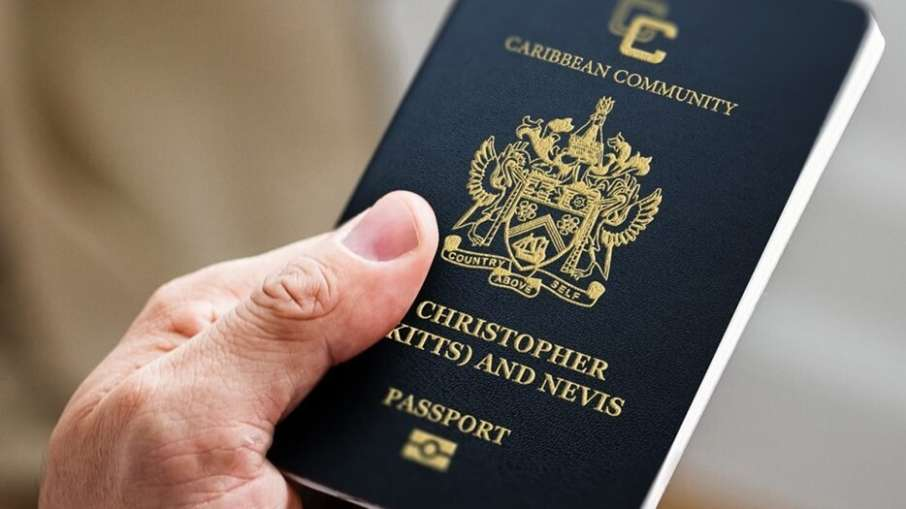
One of the biggest advantages of the eTA is the minimal paperwork. Unlike a traditional visa, the Canada eTA application is streamlined.
- Main Document: A clear scan or photo of your Passport Bio Page Only.
- Requirements: Your passport must be valid and machine-readable.
How long does it take to process a Canada eTA?
Timing is everything when planning a trip. Depending on your urgency, you can choose from three distinct processing timeframes:
- Normal Processing: 1 – 6 Working Days.
- Rush Processing: 1 – 3 Working Days.
- Super Rush Processing: Within 24 Hours.
Is there an Emergency eVisa option for urgent travel?
Yes. If you have an unexpected flight or a family emergency, our Super Rush service acts as an emergency processing tier. We prioritize these applications to ensure you receive your authorization within 24 hours, often much faster, allowing you to head to the airport with confidence.
Can I apply for a Canada eTA if I am traveling by cruise ship?
No. The Canada eTA is exclusively for air travel. If you are arriving in Canada via a cruise ship or by driving across the US border, you must have a valid Canadian Visitor Visa.
Is the Canada eTA fee refundable if I cancel?
At eta-canada.info, real work begins as soon as you click submit. Our policy is:
- Government Fee: Non-refundable once data enters the system.
- Service Fee: Non-refundable once processing starts.
- Rush Add-Ons: Non-refundable as priority handling begins immediately.
Does UPI work for paying the Canada eTA fee?
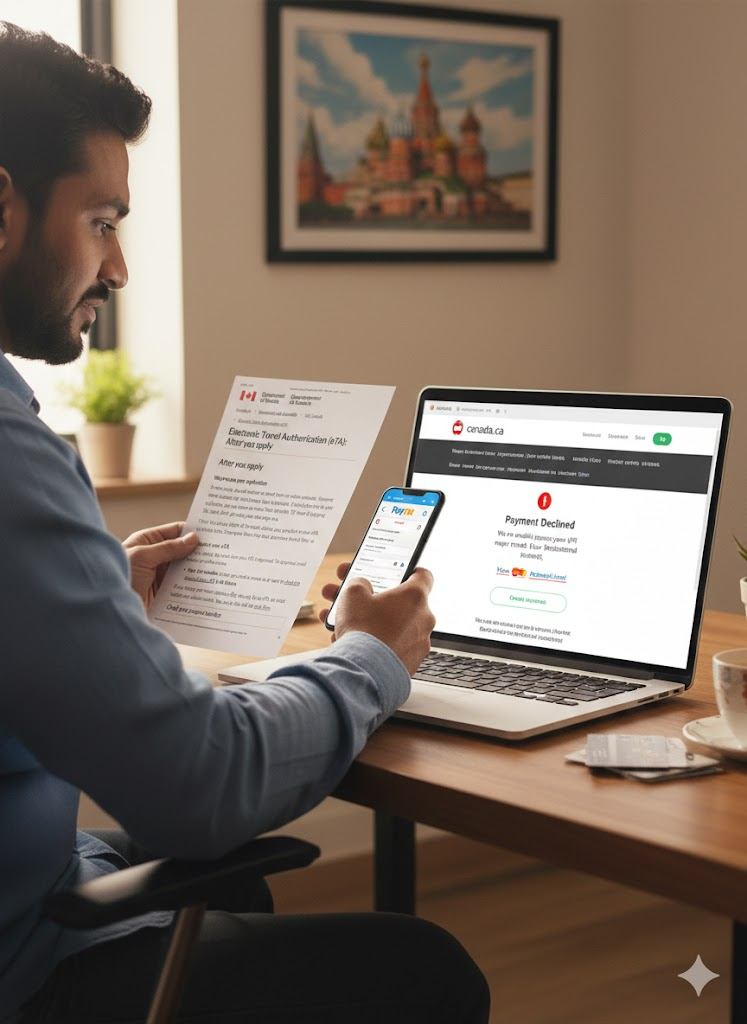
Currently, most international visa systems require standard credit or debit cards (Visa, Mastercard, Amex). While UPI is widely used in other regions, we recommend using a card enabled for international transactions to ensure your payment is processed without delay.
Can I re-enter Canada immediately, or is there a 2-month gap?
While the eTA allows for multiple entries, border officers look for "genuine visitors." If you stay for 6 months and try to re-enter a week later, you may face heavy questioning. A common "rule of thumb" for frequent travelers is to leave a 2-month gap between long stays to show you are not attempting to live in Canada illegally.
How does the eTA work for citizens with Dual Nationality?
If you hold dual citizenship (e.g., Saint Kitts and Nevis and another country), you must travel using the passport you used to apply for the eTA. If you apply with your SKN passport but show up with a different one, you will be denied boarding.
How long can I stay in Canada with an approved eTA?
You can stay for up to 180 days per visit. The exact "leave-by" date is usually stamped in your passport or communicated by the officer upon arrival.
Do I need to print my eTA to show at the airport?
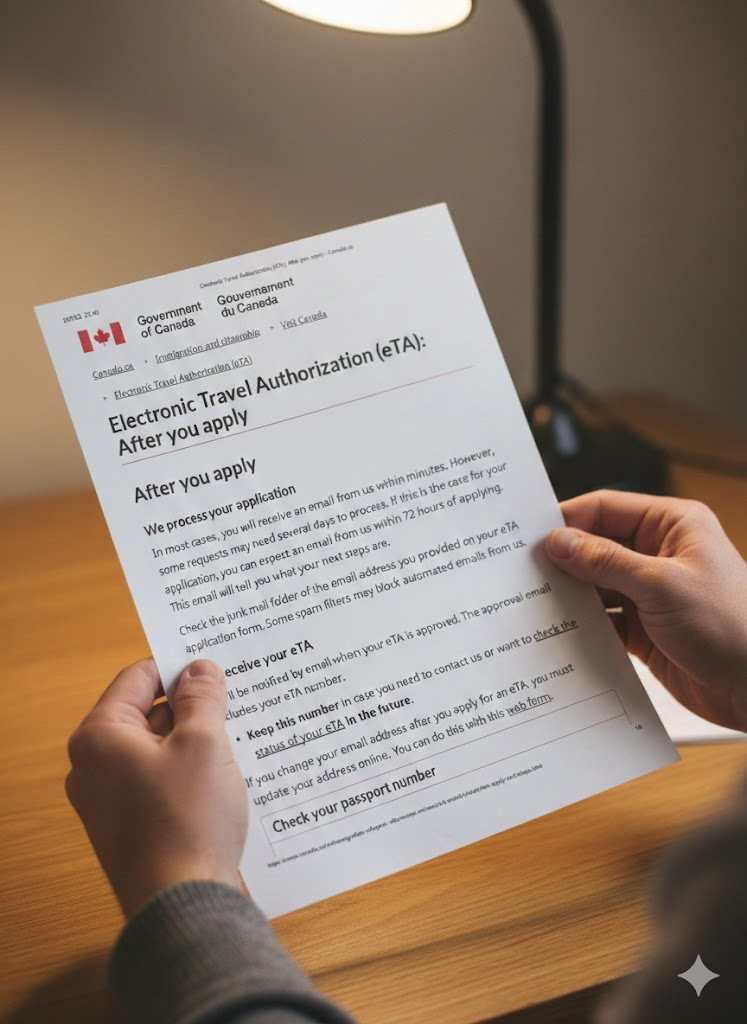
It is digitally linked to your passport, but we strongly advise keeping a digital copy on your phone or a printed approval just in case the airline's system requires manual verification.
What should I do if my eTA application is denied?
If denied, review your application for typos. If your eligibility (US visa/Past Canadian visa) is the issue, you must apply for a Visitor Visa. Using eta-canada.info minimizes this risk with our 98% approval rate.
Are there Sustainable Travel Taxes in Canada?
Canada does not have a specific "entry tax" for sustainability like some islands, but carbon taxes are included in fuel and service costs. Some specific tourist zones (like certain provincial parks) may have local conservation fees.
eSIM vs. Physical SIM: Which is better for tourists?
- eSIM: Best for convenience. You can buy and install it before you even leave Saint Kitts. No need to swap tiny plastic cards.
- Physical SIM: Best if your phone is an older model that doesn't support eSIM technology.
What currency is used in Canada?
The official currency is the Canadian Dollar (CAD). While some border shops might accept US Dollars, the exchange rate will be poor. We recommend carrying CAD or using a travel-friendly credit card.
What is the difference between an Agent and the Government portal?
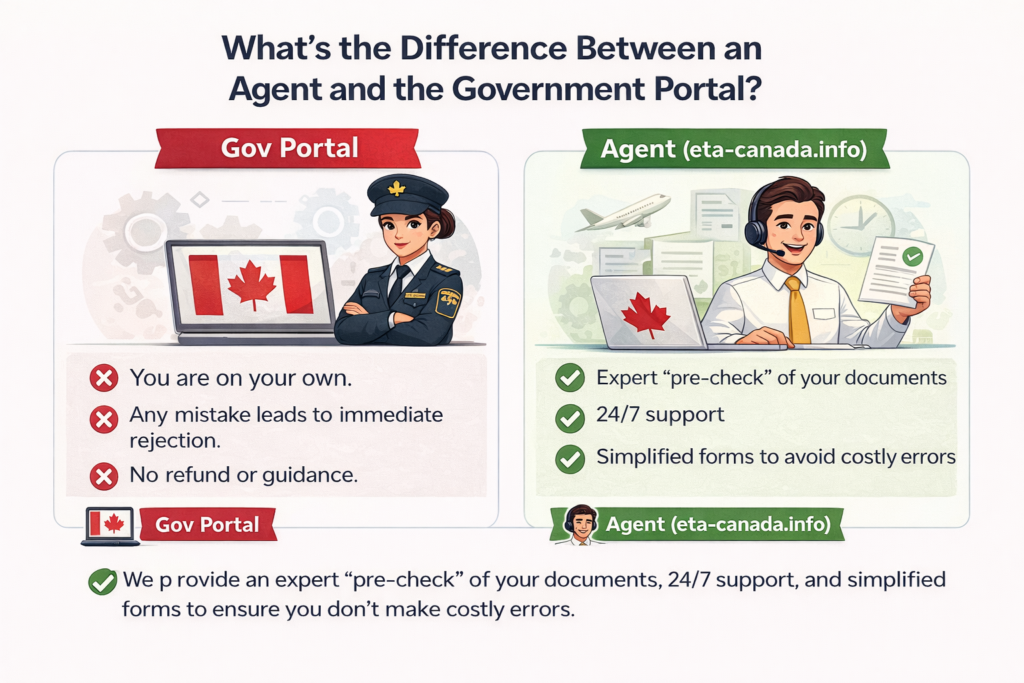
- Gov Portal: You are on your own. Any mistake leads to immediate rejection with no refund or guidance.
- Agent (eta-canada.info): We provide an expert "pre-check" of your documents, 24/7 support, and simplified forms to ensure you don't make costly errors.
Do I need a high bank balance or financial credibility for an eTA?
Unlike a Visitor Visa, the eTA application doesn't usually require you to upload bank statements. However, you should be prepared to show a border officer that you have enough funds to support your stay once you land in Canada.
What is the difference between Digital Arrival Cards and eVisas?
Many travelers confuse the two. An eTA/eVisa is your permission to travel to Canada. The Advance Declaration (Digital Arrival Card) is a customs/immigration form you fill out via the ArriveCAN app 72 hours before landing to speed up your airport exit. You need both for a smooth experience.
Where should I buy a SIM card in Canada?
You can buy SIM cards at all major international airports (YYZ, YVR, YUL) upon arrival. Look for booths like Rogers, Telus, or Bell. However, airport prices are often higher than those in city malls.
You Must be logged in to post a comment