
Travel Namibia in 10 Days: The Ultimate Road Trip Itinerary & Guide
Travel Namibia in 10 Days: The Ultimate Road Trip Itinerary & Guide

March 2026
NamibiaNamibia is a land of stark contrasts, where the world’s oldest desert meets the crashing waves of the Atlantic. For adventure seekers, it offers one of the most rewarding self-drive experiences on the planet. From the towering red dunes of Sossusvlei to the wildlife-rich plains of Etosha, a 10-day road trip allows you to witness the very best of this African gem.
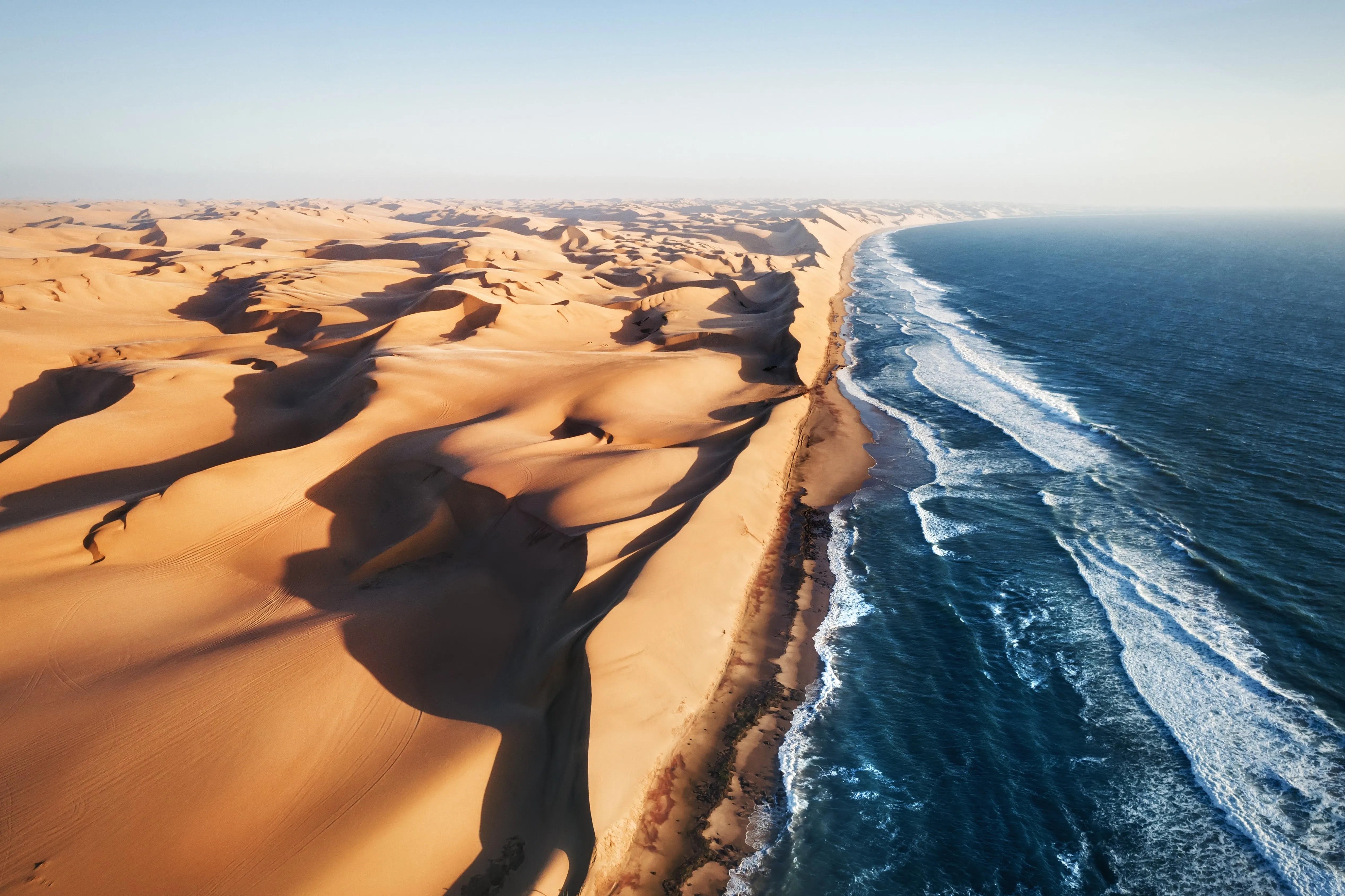
In this guide, we’ll walk you through a proven 10-day route, essential travel tips, and everything you need to know about the Namibia eVisa process.
Why is Namibia the Ultimate Road Trip Destination?
Namibia is often called "Africa for Beginners" because of its well-maintained infrastructure and safe environment. The sense of freedom you get while driving through vast, uninhabited landscapes is unparalleled. With wide-open horizons and minimal traffic, it is the perfect place to disconnect and rediscover nature.
10 Days in Namibia: The Perfect Self-Drive Route
This itinerary follows a "loop" starting and ending in the capital, Windhoek. It covers the southern dunes, the central coast, and the northern safari regions.
Day 1–2: Arrival in Windhoek and the Red Dunes of Sossusvlei
Upon landing at Hosea Kutako International Airport, pick up your 4x4 rental and head south toward Sesriem. Spend your second day entering the Namib-Naukluft National Park at sunrise.
- Highlight: Climb Dune 45 for a breathtaking view of the desert waking up.
Day 3–4: Deadvlei to the Coastal Charm of Swakopmund
Visit the iconic Deadvlei, a white clay pan punctuated by 900-year-old dead camel thorn trees. Afterward, drive through the Kuiseb Canyon toward Swakopmund, a town where German colonial architecture meets the ocean.
- Activity: Enjoy fresh Atlantic oysters or go sandboarding on the coastal dunes.
Day 5–6: Skeleton Coast Shipwrecks and Spitzkoppe Peaks
Head north along the Skeleton Coast, famous for its haunting shipwrecks and the Cape Cross Seal Reserve. Then, turn inland toward Spitzkoppe, known as the "Matterhorn of Namibia."
- Highlight: The stargazing at Spitzkoppe is world-class due to zero light pollution.
Day 7–8: Damaraland Rock Art and Etosha National Park Safari
Explore the ancient rock engravings at Twyfelfontein before heading to Etosha National Park. This is the crown jewel of Namibian wildlife. Spend your days driving between waterholes where lions, elephants, and rhinos congregate.
- Tip: Stay at a camp inside the park, like Okaukuejo, to watch animals visit the floodlit waterhole at night.
Day 9–10: Final Game Drives and Return to Windhoek
Enjoy a final morning safari in Etosha before the 4-hour drive back to Windhoek. Use your last evening to dine at the famous Joe’s Beerhouse to celebrate a successful journey.
What is the Best Time to Visit Namibia for a Road Trip?
The best time to visit is during the dry season (May to October). The weather is cooler, and wildlife is much easier to spot as animals gather around permanent water sources. If you prefer lush landscapes and birdwatching, the "green season" (January to March) is beautiful but can be very hot.
Is it Safe to Drive in Namibia as a Tourist?
Yes, but with caution. Most roads are gravel, which can be slippery. Never drive at night, as wildlife often crosses the roads. Always carry two spare tires and keep your fuel tank topped up—gas stations can be hundreds of miles apart.
Do I Need a 4x4 Vehicle for a Namibia Road Trip?
While some main roads are paved (C-roads), a 4x4 vehicle is highly recommended. Most of the scenic routes leading to Sossusvlei and through Damaraland are gravel. A 4x4 provides better ground clearance, improved traction, and much more comfort during long drives.
What Should I Pack for a 10-Day Trip to Namibia?
The desert climate means extreme temperature shifts.
- Clothing: Pack layers. It can be freezing at sunrise and scorching by midday.
- Footwear: Sturdy hiking boots for the dunes and comfortable sandals for the car.
- Gear: A high-quality camera with a zoom lens for wildlife, binoculars, and a portable power bank.
- Protection: High-SPF sunscreen, a wide-brimmed hat, and polarized sunglasses are non-negotiable.
How Can I Get a Local SIM Card and Internet in Namibia?
You can easily purchase a local SIM card (MTC is the most popular provider) at the Windhoek airport. While major towns and lodges have Wi-Fi, expect long stretches of the road trip to have no signal. It is wise to download offline maps (like Google Maps or Maps.me) before you start driving.
How Much Does a 10-Day Namibia Road Trip Cost?
Namibia can be explored on various budgets. On average:
- Budget: $80–$120 per day (camping and self-catering).
- Mid-range: $150–$250 per day (lodges and some meals included).
- Luxury: $400+ per day (high-end fly-in safaris and luxury camps).
Namibia eVisa: Everything You Need to Know
To enter Namibia, most travelers now require an Electronic Visa (eVisa). This streamlined process replaces the need to visit an embassy and allows you to apply from the comfort of your home.
What are the Different Types of Namibia eVisas?
Depending on your travel purpose, you can apply for several types of eVisas. All types listed below offer Multiple Entry and are valid for 90 days:
- Tourism eVisa: For holidaymakers and explorers.
- Visiting Friends-Relatives eVisa: For those visiting local residents.
- Transit-Stopover eVisa: For travelers passing through to another destination.
- Business-Conference-Meeting eVisa: For professional engagements.
- Medical eVisa: For those seeking healthcare services.
What Documents are Required for the Namibia Online Visa?
To ensure a smooth Namibia eVisa application via namibia-evisa.com, prepare the following:
- Passport: Valid for at least 6 months with 3 blank pages.
- Digital Photo: Recent passport-sized color photograph.
- Flight Itinerary: Confirmed return or onward flight tickets.
- Proof of Accommodation: Hotel bookings or an invitation letter from a host.
- Travel Insurance: Valid medical coverage for the duration of your stay.
Processing Times: How Fast Can I Get My Namibia eVisa?
One of the best features of the Namibia eVisa system is the flexibility in processing speeds:
- Standard Processing: 1 - 2 Days.
- Rush Processing: 6 - 12 Hours.
- Super Rush Processing: Just 1 Hour (perfect for last-minute travelers).
Why Choose namibia-evisa.com for Your Application?
Using a dedicated agent ensures your application is handled with precision and speed, avoiding common mistakes that lead to delays.
- Quick Processing: Get approved in as little as 60 minutes.
- 100% Secure: Your personal information is protected with bank-level security and encryption.
- Government Approved: Official authorized service connected directly to the Namibia Immigration system.
- Mobile Friendly: Apply from anywhere using your smartphone or tablet.
- 24/7 Support: Dedicated support team available around the clock to assist you.
- Worldwide Access: Our online system is accessible globally, regardless of your current location.
Total Cost Breakdown
The total cost of your Namibia Online Visa consists of the Mandatory Visa Fee (set by immigration authorities), the Service Fee (for handling and support), and any Optional Rush Fees if you select expedited processing.
Ready to Start Your Adventure?
Namibia is waiting. From the rust-red sands of the Namib to the wildlife wonders of the north, your ultimate road trip starts here. Secure your travel authorization today via namibia-evisa.com and get ready to hit the gravel roads of the most beautiful desert on Earth!
You Must be logged in to post a comment