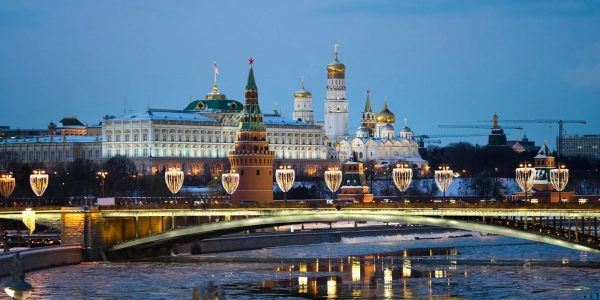
The Ultimate Guide to Planning a Road Trip Across Russia: Everything You Need to Know
The Ultimate Guide to Planning a Road Trip Across Russia: Everything You Need to Know

March 2026
RussiaRussia is the largest country on Earth, spanning eleven time zones and offering landscapes that range from the architectural wonders of St. Petersburg to the wild shores of Lake Baikal. While many travelers opt for the train, there is nothing quite like the freedom of a road trip.
If you are planning to hit the Russian highways, you likely have a lot of questions. This guide breaks down everything from visa requirements to road safety to help you plan the adventure of a lifetime.
1. Can You Really Drive Across Russia as a Foreigner?
Yes, you absolutely can! Russia has a vast network of roads connecting its major cities and even the remote parts of Siberia. While it requires careful planning regarding permits and vehicle documentation, driving yourself is one of the best ways to see the "real" Russia beyond the typical tourist traps.
2. What Documents Do You Need for a Russian Road Trip?
To drive in Russia, you need three main things:
-
A valid passport with a Russian Visa.
-
A valid driver’s license from your home country.
-
An International Driving Permit (IDP), which acts as a translation of your license.
-
Vehicle registration documents and valid Russian car insurance (OSAGO).
3. How Do I Get a Russian Tourist Visa Quickly?
The most important step in your planning is securing your legal entry. For most road trippers, the Russian E-Visa is the most efficient option. It allows for a stay of up to 16 days, which is perfect for exploring the western regions or specific routes like the Golden Ring.
To ensure your application is handled correctly, you can apply for your Russia Tourist Visa online through a simplified process.
4. Is the Russian E-Visa Valid for Land Border Crossings?
Yes, the unified E-visa is valid for entry through many specific land checkpoints, including those on the borders with Estonia, Latvia, and Lithuania. However, always check the current list of approved "checkpoints" before you set off, as some remote border crossings may only be open to local citizens.
5. What are the Best Road Trip Routes in Russia?
Depending on your time, here are the top three routes:
-
The Golden Ring: A loop of ancient cities near Moscow featuring stunning kremlins and onion-domed churches.
-
Moscow to St. Petersburg: The classic route. It’s well-paved and takes you through the heart of Russian history.
-
The Trans-Siberian Highway: For the hardcore adventurer. This route takes you from Moscow all the way to Vladivostok.
6. How Are the Road Conditions in Russia?
Road quality varies significantly. Main highways between major cities (like the M10 between Moscow and St. Petersburg) are excellent and modern. However, as you move further east into Siberia or into rural villages, expect potholes, unpaved sections, and occasional construction delays.
7. What Are the Main Traffic Rules to Know?
Russia drives on the right side of the road. Two critical rules to remember:
-
Zero Tolerance for Alcohol: The legal blood-alcohol limit for driving in Russia is 0.0%. Even one beer can lead to a heavy fine or deportation.
-
Cleanliness: Technically, driving an extremely dirty car where the license plate is unreadable can result in a fine. Keep your plates clean!
8. Is it Safe to Drive Through Russia as a Foreigner?
Generally, yes. Most Russian drivers are helpful, and the "wild" reputation of Russian roads is often exaggerated. However, you should avoid driving at night in rural areas due to poor lighting and potential wildlife. Always keep your doors locked and stay at reputable hotels or guarded campsites.
9. How Do You Cross the Russian Border by Car?
Crossing the border can take anywhere from 2 to 6 hours. You will need to fill out a "Temporary Import" form for your vehicle. This form is crucial—do not lose it! It proves you haven't sold the car inside Russia and allows you to take it back out when you leave.
10. Where Can You Find Petrol and Service Stations?
In Western Russia, petrol stations are everywhere and many are 24/7 "super-stations" with cafes and clean toilets (look for brands like Lukoil or Rosneft). In Siberia, stations are further apart, so the golden rule is: if you see a station and your tank is half empty, fill up!
11. What Kind of Insurance is Required for Your Car?
Your standard European "Green Card" insurance may not cover Russia. You will likely need to purchase OSAGO (mandatory third-party liability insurance) at the border or online before you arrive. It is relatively inexpensive and a legal requirement.
12. How to Manage the Language Barrier on the Road?
Most road signs in major areas are in both Cyrillic and Latin alphabets. However, in deep rural areas, they are Cyrillic only. Download offline maps (like Yandex Maps or Google Maps) and keep a translation app handy for communicating with mechanics or traffic police.
13. What is the Best Time of Year for a Russian Road Trip?
Late May to early September is the prime window. The days are incredibly long (the "White Nights" in the north), and the weather is warm. Avoid the "Rasputitsa" (mud seasons) in spring and autumn when unpaved roads become impassable swamps.
14. Where Should You Stay While Road Tripping?
Russia has a growing culture of "Motels" along major highways. For a better experience, look for "Gostinitsas" (hotels) in the towns you pass through. Many travelers also use apps to find secure "Stoyankas"—guarded truck stops where you can safely sleep in your van or car for a small fee.
15. How to Budget for Your Russian Adventure?
Russia is surprisingly affordable for road trippers. Fuel prices are significantly lower than in Western Europe or the US. Food at roadside cafes (Stolovayas) is cheap, hearty, and authentic. Your biggest expenses will be your visa, insurance, and accommodation in major cities.
16. Why Choose Us for Your Russian Visa Needs?
Planning a trip this big is stressful enough without worrying about paperwork. Here is why travelers trust us to get them on the road:
-
Reliable Travel Visa Services: Our global approach has assisted numerous travelers in obtaining their visas with a high success rate.
-
Round-the-Clock Assistance: Reach out to us 24/7, and our experts will respond to your queries within 72 hours.
-
Experienced Visa Consultants: Receive expert guidance to ensure the acceptance of your application by avoiding common mistakes.
-
Efficient Visa Application Process: Apply for your visa in minutes with our simplified, user-friendly form.
A road trip across Russia is one of the last great travel frontiers. With the right preparation and your visa in hand, the open road is waiting for you.
You Must be logged in to post a comment