
Traveled around Saudi Arabia for 9 days and it was an interesting experience. Trip report below
Traveled around Saudi Arabia for 9 days and it was an interesting experience. Trip report below

March 2026
Saudi ArabiaSaudi Arabia is no longer a "closed kingdom." After spending nine days exploring its vast deserts, futuristic cities, and ancient heritage sites, I can honestly say it is one of the most misunderstood and breathtaking destinations on the planet. For years, this land was a mystery to the average traveler, but with the launch of Vision 2030, the gates have swung wide open. From the bustling, high-tech streets of Riyadh to the hauntingly silent Nabatean tombs of Hegra, every day of my trip was a constant revelation of culture, history, and unmatched hospitality.
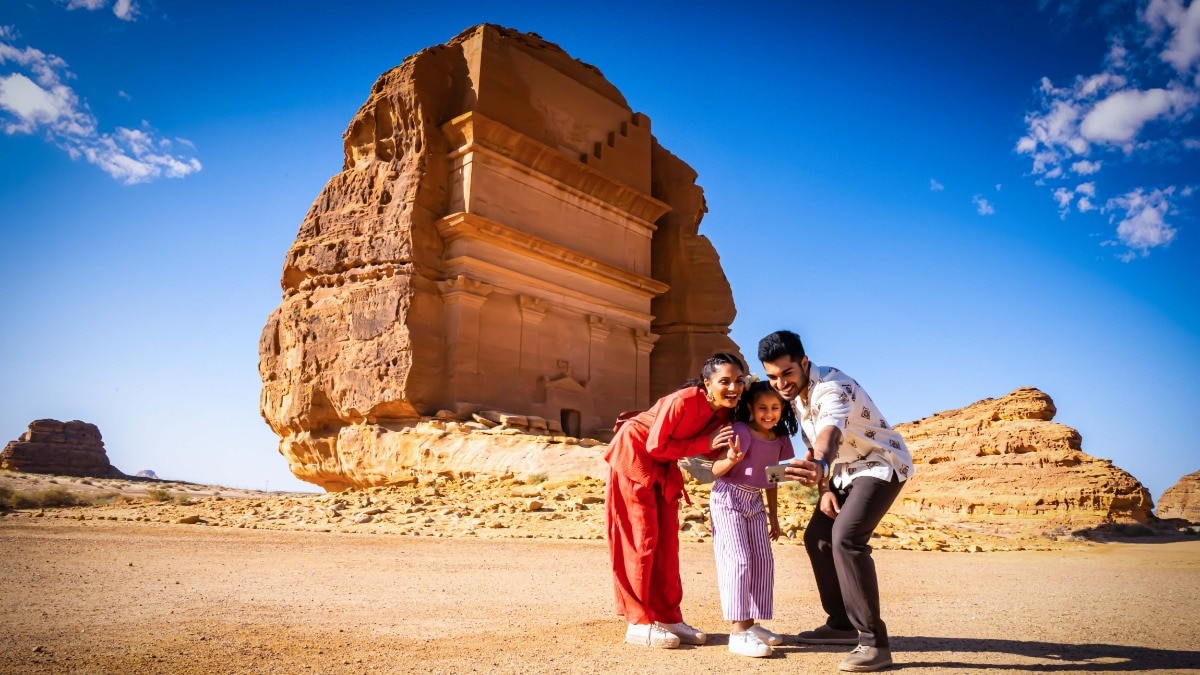
If you are planning your own adventure into this Middle Eastern gem, here is a comprehensive breakdown of everything I learned during my journey, structured to answer the most common questions travelers are searching for today.
Is Saudi Arabia safe for international tourists?
This is usually the first question people ask me. The answer is a resounding yes. Throughout my 9-day trip, I felt incredibly safe, even when walking through city centers or narrow alleyways late at night. The local people are exceptionally hospitable and often go out of their way to help visitors. It’s not uncommon for a local to strike up a conversation and offer you coffee or directions before you even ask. While you should always exercise standard travel precautions—like keeping an eye on your belongings—the crime rate against tourists is remarkably low compared to many Western capitals.
What is the best time of year to visit Saudi Arabia?
Timing is everything when visiting the Arabian Peninsula. The best window is between November and March. During these months, the weather is pleasant and cool, especially in the evenings, making it perfect for desert excursions. If you visit in the peak of summer (June to August), be prepared for blistering heat exceeding 45°C (113°F). This heat can make outdoor sightseeing almost impossible during the day, forcing you to stay indoors until sunset. For those looking to visit the mountainous regions like Asir, summer can actually be quite pleasant, but for the main cities, stick to the winter months.
Do I need a visa to visit Saudi Arabia?
Most international travelers now require a Saudi Arabia Tourist Visa or an e-Visa to enter. The government has streamlined this process significantly to encourage global tourism. Most visitors from eligible countries can obtain their e-Visa online in a matter of hours or days. However, it is vital to ensure all your documentation is correct, as even a small typo on your passport number or name can lead to boarding issues at the airport. For a smooth, stress-free experience, I highly recommend using an expert service to handle the heavy lifting.
Why should you use a professional visa service for your trip?
Navigating official government portals can sometimes be confusing, especially with varying requirements for different nationalities. This is where choosing a reliable partner makes a massive difference in your travel planning. Here is why I suggest using a professional service:
-
Reliable Travel Visa Services: You benefit from a global approach that has assisted thousands of travelers in obtaining their Visa for Saudi Arabia without the typical headaches of government bureaucracy.
-
Round-the-Clock Assistance: Unlike government offices that close on weekends, these experts offer 24/7 support. You can reach out anytime, and they typically respond within 72 hours to resolve any concerns.
-
Experienced Visa Consultants: You receive expert guidance to ensure your application is 100% accurate, which drastically improves the chances of your application being accepted immediately.
-
Efficient Visa Application Process: Instead of navigating complex interfaces, you can apply for a Saudi Arabia e-Visa in just minutes using a simplified, user-friendly form.
How should women dress when traveling in Saudi Arabia?
The dress code laws have relaxed significantly over the last few years. Women are no longer legally required to wear a headscarf (hijab) or the traditional black cloak (abaya) in public, except when entering holy sites like mosques. However, "modest dress" is still the cultural expectation. This means covering your shoulders and knees. I found that loose-fitting linen trousers, long skirts, and light tunics were perfect for staying cool while remaining respectful of the local culture. In more liberal cities like Jeddah, you will see a wide variety of styles, but it’s always better to be slightly more conservative to avoid unwanted attention.
What are the top 5 must-see places in Saudi Arabia?
Based on my 9-day itinerary, these are the locations you absolutely cannot skip:
-
AlUla (Hegra): This is Saudi's answer to Petra. It features over 100 well-preserved tombs carved into giant sandstone rocks by the Nabateans.
-
Edge of the World (Jebel Fihrayn): Located near Riyadh, these 300-meter-high cliffs offer a horizon that seems to go on forever. It’s an ancient ocean floor that will leave you breathless.
-
Al-Balad (Jeddah): This is the historic heart of Jeddah. The coral-stone houses with their intricate wooden balconies (Rawashin) are stunning, especially at sunset.
-
Diriyah: A UNESCO World Heritage site and the ancestral home of the Saudi Royal family. The mud-brick architecture of the At-Turaif district is a masterclass in ancient engineering.
-
The Red Sea Coast: Whether you are in Umluj or the new luxury resorts, the diving and snorkeling here rival the Great Barrier Reef, with untouched coral and crystal-clear water.
Is Saudi Arabia expensive for solo or budget travelers?
It depends entirely on your travel style. While the Kingdom is home to some of the world’s most expensive luxury hotels, there are plenty of mid-range and budget-friendly options. A meal at a local "Bukhari" restaurant (specializing in rice and grilled chicken) might cost you only $5–$10, while a high-end dinner in a Riyadh skyscraper could easily exceed $100. Local transport via apps is affordable, and domestic flights between cities are reasonably priced if you book at least three weeks in advance. Budget around $150 a day for a comfortable mid-range experience.
Can women travel alone in Saudi Arabia safely?
Yes, solo female travel is becoming increasingly common and is very well-supported. Many female travelers report that they feel more respected and safer in Saudi cities than in many European or North American destinations. The old "male guardian" requirements for women to move around the country have been abolished. You can check into hotels, rent cars, and dine alone without any legal or social issues.
What is the food culture like in Saudi Arabia?
Prepare your palate for a feast! Saudi cuisine is a rich blend of spices, grains, and meats, deeply rooted in Bedouin hospitality. You must try Kabsa, the national dish made of spiced rice and meat (usually lamb or chicken). Another favorite of mine was Mandi, which is cooked in a pit underground to give the meat a smoky flavor. Beyond the main meals, the "cafe culture" is huge. Saudis love their Arabic Coffee (Gahwa), which is flavored with cardamom and saffron and almost always served with fresh, sweet dates to balance the bitterness.
How do I get around between major cities?
For long distances—such as traveling from Riyadh in the center to Jeddah on the coast or AlUla in the north—flying is the most efficient method. However, the country has also invested heavily in rail. The Haramain High-Speed Railway connects Jeddah, Makkah, and Madinah at speeds of 300 km/h, making it a fantastic way to travel between these hubs. Within cities, Uber and Careem (the regional version of Uber) are the most reliable ways to get around. If you enjoy road trips, renting a car is a great option because the highways are world-class and fuel is very cheap.
What are the rules for non-Muslims visiting?
Non-Muslims are now welcome almost everywhere in the country. The only major restrictions are the holy city of Makkah and certain parts of the inner sanctuary of Madinah. However, much of Madinah is now open to non-Muslim tourists, allowing you to see the stunning architecture from the outside. As a visitor, you should be mindful of prayer times (Salah). Many shops and restaurants used to close for 20-30 minutes during prayer, five times a day. While this is no longer strictly mandatory for all businesses, many still observe it, so plan your shopping and dining accordingly.
Is alcohol allowed in Saudi Arabia?
No. Alcohol is strictly prohibited in Saudi Arabia. It is illegal to sell, purchase, or consume it, and bringing it into the country through customs can lead to serious legal trouble. However, don't let that discourage you. The country has a sophisticated "mocktail" and juice culture. You will find incredible non-alcoholic bars serving creative drinks made from exotic fruits, hibiscus, and high-quality sparkling waters.
How much does a 9-day trip cost on average?
Excluding your international airfare, a comfortable 9-day trip that includes mid-range hotels, domestic transfers, and guided tours will typically cost between $1,800 and $2,800. You can certainly do it for less (around $1,000) if you stay in budget apartments and eat exclusively at local street food spots. On the flip side, if you are looking for the full luxury experience in AlUla and the Red Sea, your budget could easily climb much higher.
What should I know before visiting AlUla?
AlUla is the "crown jewel" of Saudi tourism, but it requires planning. It is a premium destination, and the number of visitors to sites like Hegra is limited each day. You must book your tours for Hegra, Dadan, and Jabal Ikmah weeks in advance via the official "Experience AlUla" website. Also, I highly recommend staying at least one night in a desert camp or a resort tucked into the canyons to truly experience the silence and the incredible starlit sky.
How do I stay connected with high-speed internet?
Connectivity is excellent in Saudi Arabia. You can easily pick up a local SIM card (from providers like STC, Mobily, or Zain) at a kiosk in the airport arrival hall. 5G coverage is widespread in almost all urban areas and even along many desert highways. Most hotels and cafes offer fast, free Wi-Fi, making it easy to share your travel photos in real-time.
What are the cultural etiquette tips for first-time visitors?
To have the best experience, keep these tips in mind:
-
Greetings: Always greet people with "Assalamu Alaikum" (Peace be upon you).
-
The Right Hand: Use your right hand for eating and shaking hands, as the left hand is traditionally considered unclean.
-
Public Affection: Keep public displays of affection (like kissing or hugging) to a minimum, as these are seen as private matters.
-
Photography: Always ask for permission before taking photos of locals, especially women.
Final Thoughts
Saudi Arabia is a land where ancient history meets a high-tech, digital future. My 9 days there felt like a journey through time. It is a place that challenges your preconceptions and rewards your curiosity with incredible landscapes and genuine friendships. If you've been thinking about visiting, there has never been a better time to secure your saudi-arabia-evisa.organd experience this remarkable transformation for yourself.
You Must be logged in to post a comment